I recently discovered the transformative power of optimizing my eCommerce brand for AI answer engines. Engaging with platforms like ChatGPT and Google’s AI Overview can significantly enhance my brand’s visibility, trust, and ultimately drive more sales.
Understanding how to tailor my content for these AI platforms ensures that my products appear as helpful, relevant answers to potential customers’ inquiries. It’s about more than just visibility; it’s about building a credible connection with my audience.
By weaving in the best practices of AI Search and AI Optimization, I’ve begun to see a noticeable increase in brand engagement and authority. It’s a journey worth exploring for anyone looking to stay ahead in the competitive eCommerce landscape.
As someone who’s deeply involved in SEO, I’ve noticed how search behavior has evolved significantly. It’s not just about typing keywords into Google anymore. People are asking questions, and sometimes, they’re even outsourcing their thinking to Large Language Models (LLMs).
With Google transitions from a traditional search engine to more of a question-and-answer machine, it’s crucial for businesses to have a robust and time-tested strategy to respond to these customer inquiries.
AI has transformed how we research and compare options — making what used to be a painstaking process much simpler. But the machine only knows what it can discover about us online.
To achieve the broadest visibility for your business, it’s vital to understand your customers’ needs, desires, and pain points thoroughly.
This is where the “They Ask, You Answer” framework becomes invaluable. It assists businesses in identifying and formulating answers to the numerous questions potential customers might have. In the age of AI, this approach is not just useful but essential to making progress.
An Answer-First Strategy and Its Importance Now
“They Ask, You Answer,” crafted by Marcus Sheridan, is more than just a book — it’s a strategic shift. I highly recommend diving into it.
The premise is straightforward: buyers have questions that businesses should address candidly and transparently. Avoid burying leads with vague responses like “Contact us for a quote.”
This isn’t merely an inbound marketing strategy but a practical extension of your customer-facing content with an E-E-A-T focus.
The framework includes five essential content categories: Pricing and cost, problems, versus and comparisons, reviews, and best in class.
These align with the key moments buyers experience in seeking solutions, assessing risks, and making decisions. Nowadays, many of these interactions happen in AI environments, making the TAYA process particularly relevant.
The modern web can be overwhelming with its chaos and distractions. AI steps in to simplify this — providing a clean, orderly way to find information. This is why TAYA, with its question-and-answer foundation, works so seamlessly with AI systems.
Your customers are searching everywhere, so it’s crucial to ensure they can find your brand.
Transforming E-E-A-T into a Practical Strategy
Although we have E-E-A-T as an ideal for content creation, effectively building a strategy around it can be challenging. “They Ask, You Answer” places this focus on tracks.
E-E-A-T categories: Pricing supports trust, experience, and expertise. Problems demonstrate experience. Versus content builds authority and expertise. Reviews enhance experience and trust. Best-in-class content fortifies authority and trust.
Building trust through E-E-A-T might be complex given the myriad ways to exhibit it. TAYA helps organize these signals within each category, creating a comprehensive repository of content that AI readily surfaces.
Ready to dig deeper? Discover how to build an effective content strategy for 2026.
Integrating TAYA with Traditional SEO Research
Drawing from our SEO skills and tools positions us strongly in the AI era. These resources aid in forming an integrated SEO, PPC, and AI strategy.
The action plan includes using Google Search Console, Google Business Profile, semantic maps from tools like AnswerThePublic, and competitive analysis with Semrush or Ahrefs to identify unique opportunities.
Explore your internal resources: Sales calls, live chat transcripts, emails, and customer feedback can reveal valuable insights.
This understanding allows us to collect and categorize questions under the TAYA framework.
TAYA and Your AI-Era Content Marketing Strategy
Here’s what TAYA looks like reinterpreted for an AI-driven landscape where Google and other systems anticipate user needs.
1. Pricing and Cost: Why Discussing Money Matters
Clarity on pricing helps potential buyers in their decision-making process. If businesses don’t provide detailed, transparent information, AI will present whatever it finds, which might not reflect your brand accurately.
To own this narrative, I recommend publishing price ranges, elaborating on cost-driving factors, and setting transparent expectations.
2. Problems: Leveraging Weaknesses as Strengths
Being candid about drawbacks and limitations fosters trust. Acknowledge potential issues constructively to reinforce credibility.
Craft content that addresses these issues head-on, providing practical advice and solutions.
3. Versus and Comparisons
Comparisons help simplify decision-making by highlighting differences clearly. Ensuring that your content reflects this can help in establishing your brand as a reliable source.
Focus on creating structured, easy-to-digest comparisons that guide potential buyers through their options.
4. Reviews and Credibility
This isn’t just about gathering positive reviews but creating genuine, review-like content to assist in evaluating options.
Offer honest evaluations and showcase your first-hand experiences to stand out as a truthful source.
5. Best in Class: Recommending Others at Times
Sometimes, acknowledging that another service might be best for certain needs builds trust. People appreciate honesty, enhancing your credibility as a fair evaluator.
Creating comprehensive and unbiased “best of” lists based on transparent criteria can place your brand as a trusted advisor.
TAYA as the Guide for Answer-First Visibility
In AI-driven content marketing, middle-of-the-funnel content plays a pivotal role. Your website retains its foundational importance as SEO remains crucial for AI visibility.
Using TAYA as a map empowers you to create a strategy that ensures presence across the AI spectrum. Each piece of content should respond to a real buyer question, emphasizing decision-stage content over mere branding awareness.
With AI and SEO, success is measured beyond clicks. It’s about becoming a trusted source and cementing the relationship with potential customers through quality content.
One of the biggest challenges I face in SEO isn’t AI itself—it’s battling the wave of misinformation about it.
SEO isn’t dying — it’s evolving. So, I need to be proactive in understanding these changes and be discerning about the voices I trust in the industry.
I’m not easily surprised, but some of the AEO (or GEO) talks I attended last year were genuinely shocking—even for someone like me who may have had a bit of Botox.
I recall one speaker apologetically addressing a room of marketers, only to promptly suggest outdated tactics as the “secret sauce” for LLM visibility. It was painful to witness.
Thankfully, trusted voices like Lily Ray, Kevin Indig, Steve Toth, and Ross Hudgens came together this week for an enlightening roundtable on the future of search. It was by far the most beneficial AEO session I’ve ever attended, each sharing tactics they’ve successfully used to enhance LLM visibility.
Here’s what they shared and what I’ve learned:
1. Advertorials work
I discovered that LLMs don’t currently differentiate between paid and organic editorial content. Well-placed advertorials on reputable sites can boost a brand’s visibility in AI search, similar to earned coverage. As with traditional PR, the publication’s credibility remains crucial.
2. Syndication can scale visibility
Paid syndication increases reach, but focusing on quality over quantity is essential. I learned to prioritize reputable and relevant publications when employing this tactic.
3. Map pages to every audience and use case you serve
By creating clearly defined pages for each audience, industry, and use case, I can better position my brand as AI search becomes more personalized. This structure assists LLMs in understanding relevance and remains a strong SEO strategy.
4. Homepage clarity
I ensure that my homepage clearly communicates who I serve and what I do. LLMs analyze homepage content more effectively than navigation menus, so relying on the latter alone is a missed opportunity.
5. Optimize your footer
I’ve started optimizing the footer of my site. As Wil Reynolds demonstrated in a compelling case study, LLMs pick up on brand and service signals located there, enhancing visibility.
6. Don’t prioritize llm.txt
Despite ongoing speculation, there’s been no confirmation from significant LLMs about the use of llm.txt files, and Google explicitly states they don’t. I focus my efforts elsewhere for better results.
7. Go multimodal
To improve brand recognition across multiple sources, I repurpose core content in various formats like text, video, audio, and imagery, maximizing the chances for LLMs to pick it up.
8. Actively shape your brand narrative
It’s estimated that 250 documents are needed to meaningfully influence an LLM’s perception of a brand. By consistently publishing and promoting content, I ensure that my brand narrative remains in my control.
9. Freshness carries disproportionate weight
Fresh content generally performs better in AI searches, reflecting LLMs’ preference for recent information. However, purely artificial “refreshing” without meaningful updates is not advisable.
10. Social works fast
Updates on platforms like LinkedIn, including Pulse articles, can appear in AI search within hours, sometimes minutes. Platforms with high trust like Reddit and YouTube display similar rapid visibility.
11. Authority accelerates inclusion
Publishing on respected, niche industry sites can lead to rapid inclusion in LLM responses, sometimes in mere hours.
12. Don’t hide FAQs
FAQs should be accessible and well-detailed, not concealed within accordions. Eight to ten well-addressed questions can effectively signal expertise, intent, and relevance to both users and LLMs.
Is AEO the same as SEO?
John Mueller from Google clarified at Google Search Live that AEO relies on SEO fundamentals: doing tricks may work short-term, but long-term success relies on proven stability.
The correlation is logical when considering modern LLMs like GPT-5, which utilizes Retrieval-Augmented Generation (RAG) to query real-time data. To gain LLM visibility, showing up in search results is essential.
In essence, good AEO practices align with good SEO, though there’s nuance, and while these tactics are effective now, they will evolve as LLMs grow more sophisticated.
The best AI search strategy for 2026
Forget the magic button. Keep testing, remain skeptical about the hype, and be selective about the advisors you trust.
Thanks to Bernard Huang and Clearscope for hosting this insightful panel.
I’ve been following this evolving digital landscape closely, and it seems that many news publishers, like myself, are bracing for significant changes in the next few years. A new report from Reuters Institute suggests that we could witness a staggering 43% decline in search traffic by 2029. This shift comes as AI technologies are increasingly dominating search results.
What concerns me the most is how Google’s AI Overviews and chat experiences are accelerating this trend. We’re seeing traffic losses mount as these technologies make information readily available without users needing to click through to our sites.
Understanding the Impact. As a publisher, the expectation is that search referrals will drastically reduce. More than 40% of our search traffic may dwindle, with some experts predicting losses exceeding 75% for certain sites.
Why it Matters. The shift in user behavior is reshaping our strategies. Our traditional SEO efforts might not hold up against the rise of AI-driven content presentation, making it crucial for us to pivot towards answer engine optimization (AEO) and generative engine optimization (GEO).
The Current Scenario. Already, Google referrals are slipping. According to Chartbeat data, global organic traffic from Google declined by 33% between November 2024 and November 2025, with even steeper drops in the U.S.
Looking Ahead. It’s clear from industry conversations that AEO and GEO are not just buzzwords—they are the future. As publishers, we need to adapt quickly by restructuring our content and strategies around these AI interfaces to maintain visibility.
Between the Lines. This shift is about more than just rankings; it’s about controlling content distribution on platforms beyond our purview. Chat referrals, for instance, are incrementally increasing, but as of now, they are negligible compared to the volume Google offers.
Adapting to Change. We’re urged to consider licensing, revenue-sharing, and negotiated prominence for long-term benefits as the reliability of traditional referrals wanes.
Future Metrics. As content creators, we need to redefine success metrics. Share of answer, citation visibility, and brand recall are becoming as critical as click-throughs in evaluating impact.
The Bottom Line. The takeaway for us is clear: while search retains its importance, its metrics of success will change. AI, AEO, and GEO strategies are setting the stage for a new digital frontier.
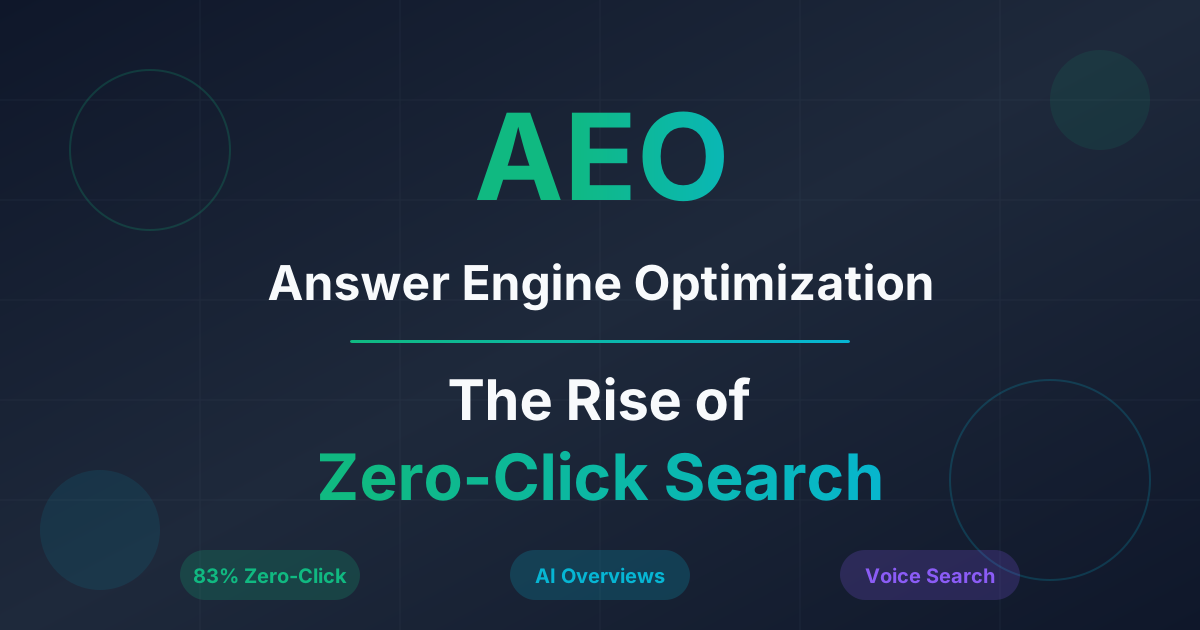
Hey there! In today’s digital landscape, 83% of AI-powered searches wrap up without a click. That’s a striking statistic, and it got me thinking: how do I position my brand to be the definitive answer when users search? This is where Answer Engine Optimization (AEO) comes into play—and I’m excited to dive into it.
I believe that AEO is the key to staying ahead in the so-called zero-click future. We’re all familiar with traditional SEO, but as search engines and AI evolve, so must our strategies. AEO is about ensuring that my brand is not just visible but is seen as the authority voice directly from the search results.
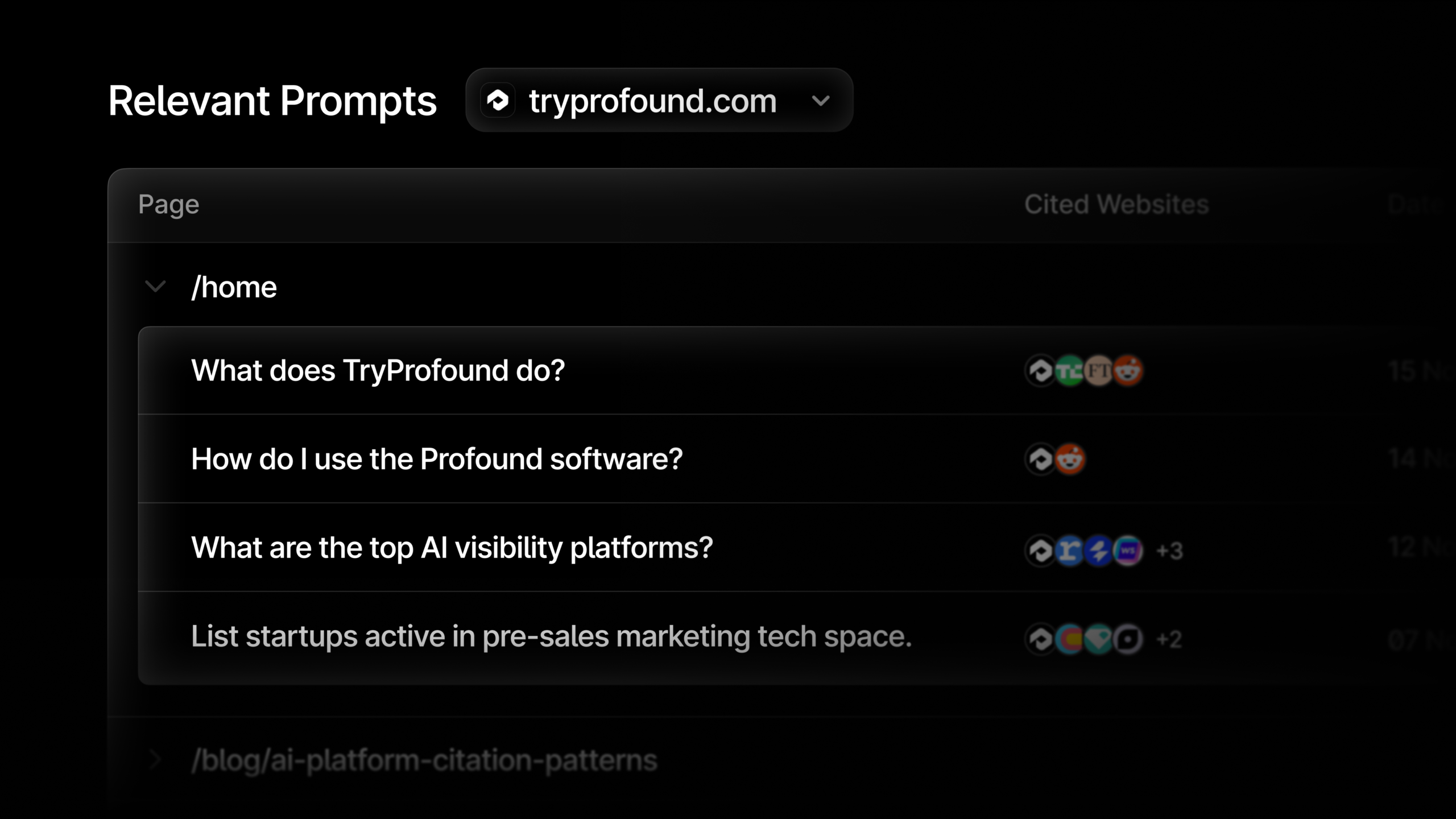
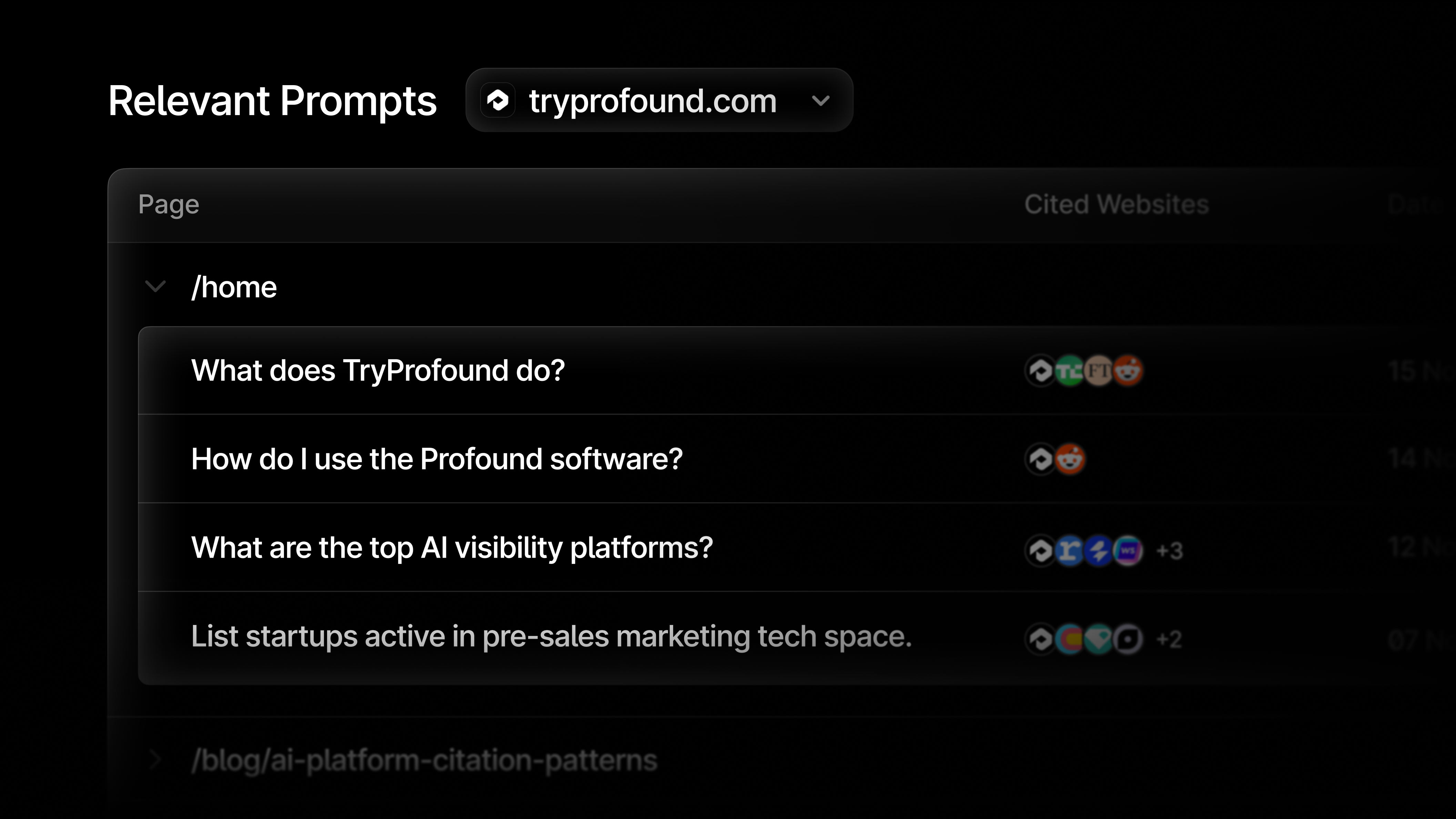
As someone deeply invested in my brand’s success, I understand the importance of leveraging Brand Relevant Prompts. These prompts show me exactly where my brand and competitors are cited by Answer Engines. With this insight, I can stop guessing and quickly close visibility gaps.
This past Black Friday and Cyber Monday, I delved into the fascinating insights from our Black Friday Index, crafted from a vast pool of 400 million genuine conversations. It was enlightening to see which brands stood out as AI’s top recommendations, especially as so many of us relied on Answer Engines to hunt down the best deals.
As I explored the data, the impact of AI on shopping trends became crystal clear. The technology not only streamlined how we search for deals but also influenced brand visibility and consumer choices. The excitement of seeing how AI is reshaping shopping habits made this year’s Black Friday and Cyber Monday particularly intriguing for me.
The findings from the Black Friday Index are a testament to the growing importance of AI in retail, showing us how indispensable it has become for both consumers and brands. Being part of this evolution makes me look forward to what future shopping events will bring, especially as technology continues to advance.
From May 2024 to November 2025, I personally delved into research on 57 agencies involved in AI-augmented search optimization. Known as Generative Engine Optimization (GEO) or Answer Engine Optimization (AEO), these agencies offer cutting-edge solutions that redefine visibility. Using a meticulous scoring model, I’ve narrowed it down to the top 8 agencies, which I’m thrilled to share with you today.
In evaluating these firms, I considered several crucial factors:
Location (5%): I regarded the team’s primary base, considering if their operating hours and familiarity with regulations match US fintech needs.
AI Visibility Score (25%): This is a unique measure of how visible the agency and its clients appear on platforms like ChatGPT, Perplexity, and Gemini.
Average Review Score (30%): I aggregated and weighted ratings from key review sites and client testimonials, placing high importance on consistent delivery.
Client Retention Rate (20%): This was calculated based on case studies, testimonials, and relationship maps to estimate loyalty year over year.
Technical Expertise (15%): Focused on the depth of SEO and analytics, emphasizing measurement and how AI-driven discoveries brand surfaces.
Specialty (5%): I noted what each agency excels in, especially those that seamlessly cater to the fintech world—trust, compliance, and more.
After sorting and ranking all the agencies, I proudly present the highest scorers in a detailed table below. Following the table, I provide insightful, qualitative analyses on each agency, enriched by public reviews and testimonials.
In my journey through the fascinating world of artificial intelligence, I’ve discovered Grok by xAI—a remarkable answer engine that delivers precise and contextually relevant responses. As a content creator, I’ve learned that optimizing for Grok, or what I like to call Grok Answer Engine Optimization (GAEO), is crucial for ensuring my content shines when users seek answers. Let me take you through the strategies I’ve embraced to enhance visibility and engagement in Grok’s responses.
Understanding Grok’s Functionality My first step in mastering GAEO was understanding how Grok operates. Unlike traditional search engines that rely on keywords and backlinks, Grok utilizes advanced natural language processing to provide conversational answers. It gathers information from a wide array of sources, including web content and X platform posts, emphasizing accuracy and relevance. I realized that for my content to be effective, it must align with Grok’s ability to decipher user intent, context, and factual correctness.
Key Strategies for Grok Answer Engine Optimization
1. Craft Clear, Structured Content I’ve noticed that Grok thrives on extracting answers from well-structured content. To make information comprehensible, I use clear headings, bullet points, and concise paragraphs. When tackling questions like “How does photosynthesis work?”, I ensure there’s a section dedicated to a direct answer, supported by details. Additionally, using structured data like schema markup helps Grok understand my content’s context, enhancing its chances of being referenced.
2. Focus on Question-Based Content Grok is all about answering user questions directly, so I focus my content on specific, high-intent queries. By utilizing tools like question-answering platforms and analyzing X posts, I identify trending questions in my field. For example, crafting a blog post titled “What Are the Benefits of Meditation?” with a succinct, authoritative answer right at the start increases its surfaceability in Grok’s answers.
3. Prioritize Factual Accuracy Given Grok’s preference for credible, fact-based content, I make sure my information is accurate, current, and backed by reliable sources. Whenever I cite statistics, studies, or expert opinions, I ensure they are from reputable sources to build trust with Grok’s algorithms and users alike. For instance, when stating “80% of consumers prefer eco-friendly products,” I link to a reputable study.
4. Leverage Conversational Language Since Grok answers in a conversational tone, I’ve adjusted my writing style to match this. Writing as if I’m explaining something to a friend helps keep things clear, engaging, and jargon-free. For example, rather than saying, “The implementation of sustainable practices enhances corporate responsibility,” I might say, “Going green helps companies do good while looking good.” This mirrors Grok’s user-friendly style.
5. Engage with X Platform Content Real-time data from X posts is a treasure trove for GAEO, and I make sure to tap into it by monitoring trending topics and conversations. I address user pain points and questions with my content, posting snippets on X to boost discoverability. For instance, a quick X post summarizing “Top 5 Tips for Remote Work” can link back to my detailed blog, showcasing its relevance to Grok.
6. Optimize for Contextual Relevance Understanding that Grok comprehends query context, I aim to cover topics thoroughly. So, when discussing something like “best smartphones of 2025,” I include comparisons, specifications, and various user scenarios. This comprehensive approach ensures that Grok can pull my content for a range of related queries, such as “best phone for gaming” or “top camera phones.”
Measuring GAEO Success As I discovered, gauging GAEO success isn’t as straightforward as traditional SEO because Grok doesn’t offer ranking reports. Instead, I track indirect metrics like referral traffic from grok.com or X, increased engagement on question-based content, and mentions in Grok’s responses by querying Grok directly. Tools like Google Analytics and X analytics serve as my guides in monitoring these trends.
The Future of GAEO As Grok’s capabilities grow, evolving GAEO strategies is key. By staying updated on Grok’s advancements like its DeepSearch or think mode, I make sure my content remains user-centric, accurate, and engaging. This positions me as a trusted resource within Grok’s expanding ecosystem.
In conclusion, Grok Answer Engine Optimization revolves around clarity, relevance, and trustworthiness. By syncing my content with Grok’s strengths—its response to questions, conversational tone, and real-time data—I can increase visibility and foster connections with audiences seeking instant, reliable answers. I’m excited to optimize today and let Grok amplify my voice in the AI-driven world.
Inspired by this post on AnswerEngineOptimization.blog.
In the dynamic world of digital search, I’ve discovered that Gemini Answer Engine Optimization (GAEO) is a game-changer for businesses and content creators looking to excel in answer-driven results. Unlike traditional SEO, where the focus is on web page rankings, GAEO is all about crafting content that serves as the go-to answer for user queries on Gemini-powered platforms. This guide delves into effective strategies to master GAEO as of April 2025.
Understanding Gemini’s answer engine has been crucial for me. It’s a leading AI-driven tool designed to deliver precise, accurate, and contextually relevant responses. By pulling information from reliable sources and creating real-time answers rather than depending on indexed pages, Gemini marks a significant shift in search optimization. To succeed, websites must aim to be the preferred source Gemini uses, focusing on clarity, authority, and user intent.
One of the key strategies I’ve embraced is optimizing content for question-based queries. Gemini excels at resolving direct questions, and I’ve learned to target conversational, question-based prompts. Using resources like question-answer platforms and social media helps me identify common queries. I structure my content with clear and engaging headings like, “How does Y work?” It’s important to use natural language that mirrors everyday speech and provide concise answers that fit Gemini’s snippet-friendly format.
Building topical authority is another strategy that enhances content optimization. Gemini favors sources with demonstrated expertise. I create content clusters around core topics and employ structured data to showcase my authority and topical relevance. For example, in a fitness context, linking related articles like “Best Dumbbell Exercises” back to a hub page helps Gemini recognize expertise.
Leveraging structured data and schema markup is fundamental to GAEO success. By implementing JSON-LD types like FAQPage or HowTo, I make content machine-readable. This technique boosts the chance of Gemini extracting my content for specific queries, which is critical for increasing visibility.
I prioritize content clarity and readability because Gemini favors easily digestible information. By breaking down complex ideas with short sentences and bullet points, I aim for a readability score of 60+ on Flesch-Kincaid tests. This approach ensures content appeals to both novices and Gemini’s advanced parsing algorithms.
Enhancing E-E-A-T signals—Experience, Expertise, Authoritativeness, and Trustworthiness—is crucial for me to strengthen content credibility. By showcasing author credentials and citing reputable sources, I establish trust with readers and Gemini. Updated content reflects the latest data, keeping it relevant for time-sensitive queries.
Performance monitoring and iteration are ongoing tasks. Using analytics, I track which pages Gemini references. Platforms like X offer insights into trending queries, allowing me to refine content by adding specific answers or improving schema. Consistent testing helps me understand what resonates most with Gemini’s logic.
Staying adaptable is central to remaining ahead of the curve in GAEO as Gemini evolves. I monitor updates through tech blogs and engage in discussions to remain informed. Experimenting with multimedia formats like infographics can give content an edge, and by aligning with user intent, I maintain the authority and optimize content to drive traffic and engagement throughout 2025 and beyond.
Inspired by this post on AnswerEngineOptimization.blog.