Category: News

  • Yelp’s AI Assistant Revolutionizes Local Search and Bookings

    Yelp’s AI Assistant Revolutionizes Local Search and Bookings

    I’m thrilled to share that Yelp has just introduced a powerful AI update, bringing a new level of ease to local searches and bookings with their conversational “Yelp Assistant.” This tool is designed to help me move from searching to booking, ordering, and scheduling—all in one seamless experience.

    Discover What’s New. At the heart of this innovation is the Yelp Assistant, a chatbot capable of answering complex questions, recommending businesses, and even making reservations or appointments without me ever needing to leave the app.

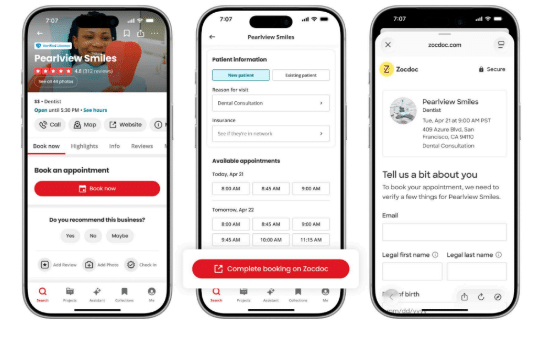
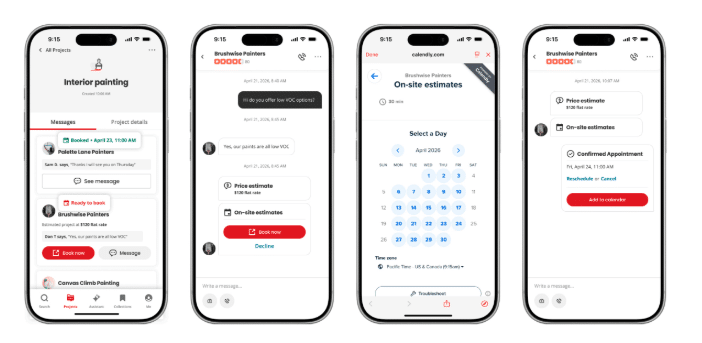
    How It Works. The assistant taps into Yelp’s vast database of user reviews and photos to offer tailored recommendations, explain why a business is a good fit, and allow me to refine results in a conversational manner. It takes things to the next level by letting me book a table, order food, or request a quote without needing to switch platforms.
    ```json
{
  "alt": "Three smartphone screens showing a dental clinic's booking process on Yelp and Zocdoc apps.",
  "caption": "Explore efficient online booking for Pearview Smiles dental appointments via Yelp and Zocdoc, streamlining your dental care experience.",
  "description": "This image displays three smartphone screens illustrating the appointment booking process for Pearview Smiles dental clinic. The first screen on the left shows Pearview Smiles on the Yelp app, highlighting business information and a 'Book now' feature. The middle screen shows patient information and available appointment slots in the Zocdoc app. The screen on the right features the booking completion process with Zocdoc, prompting users to enter personal details. These interfaces offer a seamless dental care scheduling experience, targeting convenience and user engagement."
}
```

    What Else Is New. Yelp is also enhancing integrations with platforms like Vagaro, Zocdoc, and Calendly, which streamlines bookings in categories such as beauty, healthcare, and home services. Plus, they’re strengthening their partnership with DoorDash for smoother delivery options.

    ```json
{
  "alt": "Four smartphone screens showing an app interface for booking and messaging painting services.",
  "caption": "Explore seamless booking and messaging with this app, perfect for arranging your next painting service without any hassle.",
  "description": "This image features four smartphone screens displaying an app designed for coordinating painting services. The interface highlights various functions, including messaging with painters, scheduling on-site estimates, and confirming appointments. The sleek design ensures users can easily navigate between booking, communication, and managing project details, offering a user-friendly experience for those in need of painting services. Ideal for busy homeowners or businesses seeking efficient service coordination."
}
```

    Spotlight on Menu Vision. Another exciting feature is the revamped “Menu Vision,” which uses AI and visual overlays to display dishes, reviews, and photos in real time while I’m browsing a menu. This makes deciding what to order quicker and easier.


    ```json
{
  "alt": "Smartphone app scanning a document, displaying a 'Slow down' prompt.",
  "caption": "Experience the efficiency of document scanning with this smartphone app, guiding users with a 'Slow down' prompt for optimal results.",
  "description": "This image shows a smartphone screen displaying an app named 'Menu Vision' being used to scan a document. The on-screen prompt 'Slow down' appears, indicating the app's suggestion to move the phone slower for better scanning accuracy. The background displays a wooden surface, and part of the document includes text and drawings. This scene highlights the app's interactive and user-friendly features, which enhance document scanning efficiency."
}
```

    Why This Matters. For someone like me looking for convenience, Yelp is transforming from a simple discovery platform into a full-fledged transaction experience powered by AI. This means that while visibility remains important, businesses need to ensure they’re optimized for conversions right within the platform.

    The Bigger Picture. By focusing on AI not just for discovery but also conversion, Yelp is turning intent into transactions without redirecting me elsewhere.

    Looking Ahead. The assistant is now live on iOS and Android, with plans to expand further across more categories and desktop later this year.

    The Future of Local Exploration. Yelp aims to own my entire local search journey from start to finish—from asking “where should I go?” to “it’s booked.”


    Inspired by this post on Search Engine Land.


    crushpress.ai community screenshot
  • Updated Rules Clarify YouTube Election Ads Policy

    Updated Rules Clarify YouTube Election Ads Policy

    Ever since learning about Google’s latest update to its YouTube and Discover Feed ad requirements, I’ve been intrigued by the clarification on election-related ads. This change, effective April 2026, doesn’t alter enforcement but provides much-needed transparency.

    Why it matters. As someone navigating the complex landscape of YouTube and Discover ad placements, I understand how tightly regulated these spaces are. Historically, election ads have been surrounded by ambiguity. Now, the update helps clear up that confusion without imposing additional restrictions.

    What’s new (and what’s not). It’s interesting to note that election ads are now clearly exempt from specific YouTube and Discover Feed ad requirements. However, no changes in enforcement mean that if compliance was achieved before, there’s no need for advertisers to shift gears.

    Why we care. With this update, I’ve noticed how Google aims to eliminate the haze surrounding election ads on YouTube and Discover. Although these ads don’t need to meet placement-specific requirements, adherence to Google Ads policies remains essential, offering clearer guidance and more predictable campaign launches.

    Zoom in. For election ad campaigns, this exemption is beneficial since these ads aren’t required to comply with the targeted YouTube and Discover Feed ad guidelines. However, advertisers must pass the Election Ads verification within the ad’s targeted region.

    Between the lines. It’s vital to recognize this as a documentation clarification rather than a policy change. Google is distinguishing between the unique requirements for YouTube and Discover ads and its overarching ads policy framework.

    What advertisers should do. If you’re running political campaigns, it’s crucial to maintain your verification status and continue adhering to Google Ads policies. Despite the exemption, keeping up with regulations is necessary for a smooth advertising process.

    Dig deeper. For more details, check out the full YouTube and Discover Feed ad requirements (April 2026).


    Inspired by this post on Search Engine Land.

    crushpress.ai community screenshot
  • Google’s Engaging Video Ads Transform Local Search Experience

    Google’s Engaging Video Ads Transform Local Search Experience

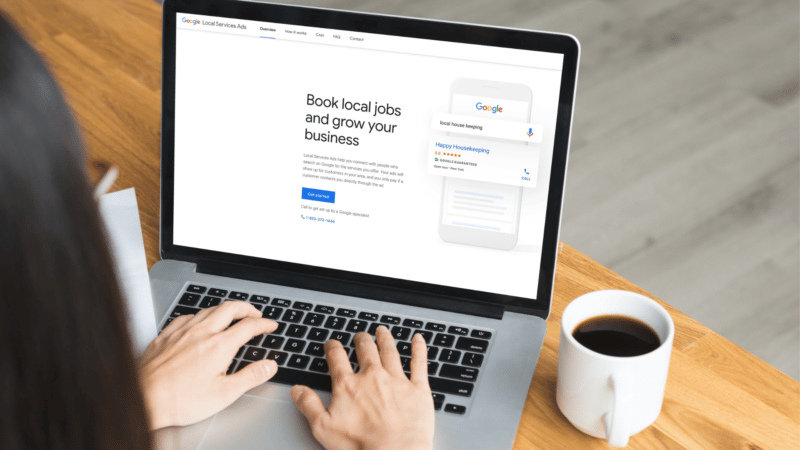
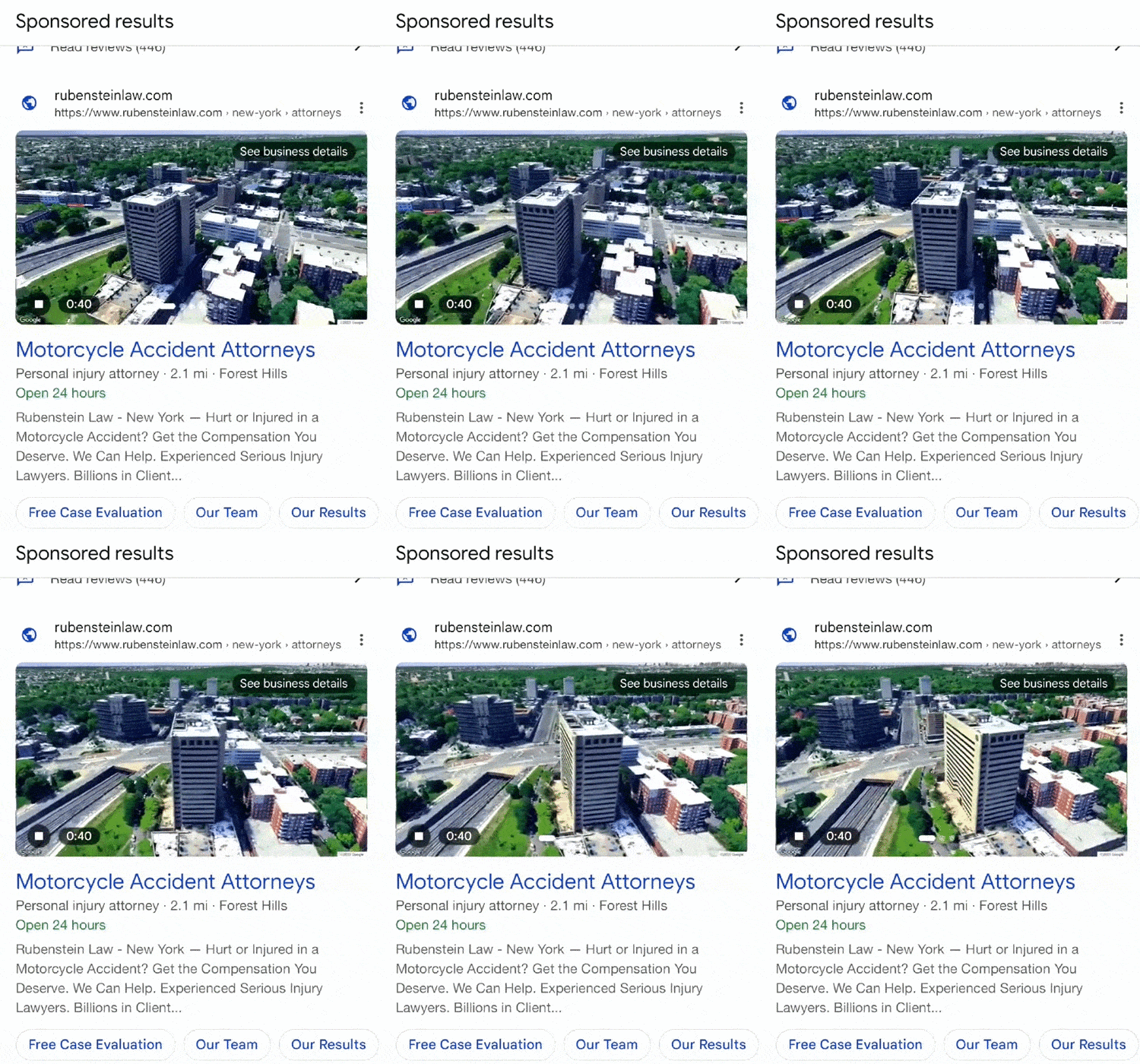
    Recently, I’ve noticed Google experimenting with video ads in the local search pack. This marks a shift towards more captivating visual formats in location-based searches.

    Driving the news. Anthony Higman spotted this change, observing Google’s move to incorporate ‘immersive map view videos’ into PPC ads connected to local results.

    These video ads pop up within the local pack — the map-based listings that display businesses near me or users searching.

    What’s new. Instead of just static listings or text-based ads, I may soon see video content from advertisers in local search results.

    ```json
{
  "alt": "Google search result for Rubenstein Law, showing a drone view of urban buildings, promoting Motorcycle Accident Attorneys.",
  "caption": "Discover trusted Motorcycle Accident Attorneys at Rubenstein Law. Enjoy a 24-hour service and comprehensive legal support in Forest Hills. Your compensation is their priority.",
  "description": "This is a Google search result for Rubenstein Law, showcasing a promotional video still of an urban landscape captured from a drone, highlighting their services as Motorcycle Accident Attorneys. Located 2.1 miles from Forest Hills and open 24 hours, they emphasize assistance in personal injury claims, especially motorcycle accidents. Engage with experienced attorneys for a free case evaluation to get the compensation you deserve. Keywords include Rubenstein Law, motorcycle accident, personal injury attorney, and Forest Hills."
}
```

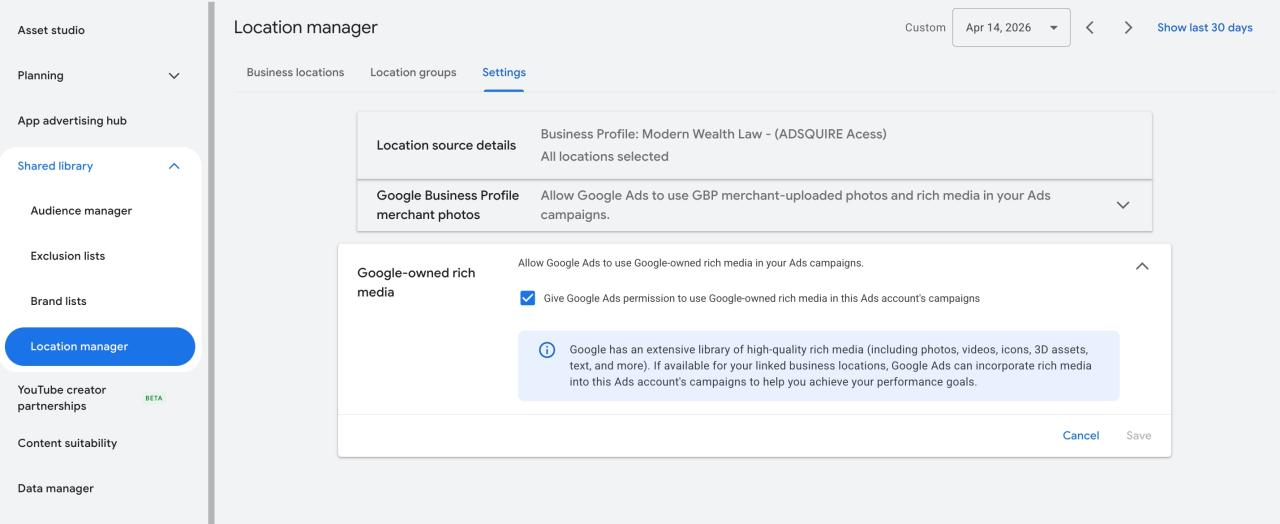
    The feature seems linked to settings in Google Ads’ Location Manager and may be enabled through a pre-opted setting in the shared library.

    This feature blends paid ads with Google Maps-style immersive experiences, offering a novel way to stand out and show off locations, products, or services more effectively than static listings.

    Why we care. For businesses, this update presents significant opportunities to increase visibility and engagement in high-intent local searches. Video ads could greatly enhance how prospective customers engage with local offerings.

    Google Ads Location Manager settings page showing business profile and rich media options.
    Explore the Google Ads Location Manager settings to optimize your business profile and utilize rich media in your ad campaigns.

    Yes, but. Right now, it seems the feature is in early testing phases, and its performance versus traditional local ads remains unclear.

    There’s also some concern around the creative requirements, as video production can add an extra layer of complexity for advertisers.

    The bottom line. Google’s move to integrate video into local search indicates an intent to make ads more engaging, offering businesses new tools to capture attention.

    First spotted. This update initially caught Anthony Higman’s eye, who shared details about the new local listing ad type on LinkedIn.


    Inspired by this post on Search Engine Land.

    crushpress.ai community screenshot
  • Rand Fishkin: Unraveling the Origins and Impact of Zero-Click Searches

    Rand Fishkin: Unraveling the Origins and Impact of Zero-Click Searches

    I first got into SEO not because I had a crystal ball, but because I had no other choice. Back in the early 2000s, I was part of a small web business with my mom in Seattle. We once hired another company for SEO work, but when we couldn’t afford to continue, I found myself diving into search marketing.

    Fast forward more than 20 years, and here I am, one of the loudest voices in SEO, and admittedly, one of Google’s fiercest critics. In a recent interview, I took a deep dive into how search has evolved, what’s gone astray, and what the future might hold.

    Early SEO was a wild ride. The digital landscape today may seem convoluted, but nothing beats the chaos of the early days. It was a time ruled by forums like WebmasterWorld and Search Engine Watch, where people shared tactics rather openly. Risky as it was, buying links was common and effective—myself included. However, a public reprimand from Google’s Matt Cutts was a turning point for me, steering my focus towards ‘white hat’ practices aligned with Google’s guidelines.

    Over time, I’ve begun to question if following those guidelines perhaps went too far, given Google’s own evolving practices. Yet, what continues to stand out from the early industry days are not just the tactics but the relationships I’ve built.

    Many attribute AI as the seismic shift in search, but I beg to differ. It all started around 2011 when ‘zero-click search’ emerged—Google began answering queries directly on the results page. Initial features were simple, like weather boxes, but the concept expanded significantly with time.

    Indeed, by around 2016–2017, nearly half of all searches ended without a click, growing to more than two-thirds today. This trend didn’t just appear out of nowhere with AI; it’s been brewing for over a decade.

    I reckon publishers had a missed chance to take action long ago. At that time, media conglomerates could have united to challenge Google’s growing dominance, perhaps by demanding compensation or limiting usage of their content. Instead, they let Google expand its reach unhindered.

    The publishing industry missed a window, but adaptation is key now. It’s time to pivot towards creating subscription businesses and monetizing attention rather than just traffic, as demonstrated by companies like The New York Times.

    As for Google, I don’t believe its search services have worsened for users, though it’s become increasingly tough for publishers and creators. As Google grew and went public, priorities shifted, succumbing to growth and revenue pressures, thus becoming aligned with investor expectations.

    When it comes to AI, I see a common misconception. People often mistake AI’s outputs as solid and consistent, akin to search results, but that’s rarely the case. Answers can vary widely. I recommend not relying on a single response; instead, ask multiple times and look for consistencies.

    Reflecting on the early days of SEO, I don’t yearn for any specific tactic, but I do miss the opportunities for smaller creators and independent sites. Back then, traffic wasn’t just for the giants—it was more democratically distributed.

    As I look forward, I imagine the media and search landscape might mirror the past: A few powerful platforms dictating the flow of information while individuals continue to create content within their domains. And yet, I’m hopeful the web will continue to evolve.


    Inspired by this post on Search Engine Land.

    crushpress.ai community screenshot
  • Unlocking Google SEO: Master ‘Read More’ Links Best Practices

    Unlocking Google SEO: Master ‘Read More’ Links Best Practices

    I recently discovered that back in December, Google introduced read more links for certain search result snippets on Google Search. Now, Google has shared some best practices to help us utilize these ‘Read More’ links effectively.

    Digging into the Best Practices: To find these new insights, you can check out the documentation posted here. It outlines three essential tips:

    • Ensure the content is instantly visible to human visitors, not tucked away behind tabs or expandable sections.
    • Avoid using JavaScript that governs the user’s scroll position as the page loads. Let your users control their browsing experience.
    • If you’re calling history API functions or modifying window.location.hash on page load, don’t strip away the hash fragment. This could lead to issues with deep linking.
    ```json
{
  "alt": "Abstract representation of a digital list with play, chart, and document icons, each with a 'Read more' button.",
  "caption": "Discover more with this sleek digital list featuring interactive icons and engaging 'Read more' options.",
  "description": "This image displays an abstract digital list interface, featuring play, chart, and document icons. Each entry has corresponding lines symbolizing text, with highlighted 'Read more' buttons in green, inviting users to explore further. The design is clean and modern, making it easy to navigate and visually appealing for digital content presentation. Ideal for illustrating UI concepts in web and app design."
}
```

    Visualizing the Concept: Google provided an image illustrating these links. Here’s a glimpse of how they appear:

    Let me show you an example of these snippets in action:

    ```json
{
  "alt": "Google search results highlighting 'Read more' links in snippets from Search Engine Land.",
  "caption": "Explore new 'Read more' features in Google Search snippets for enhanced accessibility and deeper insights, as displayed in search results from Search Engine Land.",
  "description": "The image depicts a Google search results page focusing on the query 'site:Searchengineland.com google Read more links.' The top results from Search Engine Land show snippets featuring 'Read more' links, illustrated with red arrows, highlighting Google’s integration of these links for extended user engagement. This underscores recent updates to enhance search snippet interactivity. Keywords include Google, search results, 'Read more' links, Search Engine Land."
}
```

    Why It Matters to Us: The introduction of read more links adds an alluring touch to search result snippets. The potential for increased website clicks can be significant. Therefore, reviewing these best practices becomes essential for attracting even more visitors to our site.

    Ultimately, driving more traffic is always a win, so optimizing your site with these tips could prove beneficial.


    Inspired by this post on Search Engine Land.

    crushpress.ai community screenshot
  • Google Ads API: Embrace Enhanced Security with Multi-Factor Authentication

    Google Ads API: Embrace Enhanced Security with Multi-Factor Authentication

    As someone who frequently works with Google’s advertising tools, I know firsthand how crucial security is. Starting April 21, Google is implementing a mandatory multi-factor authentication (MFA) requirement for its Ads API. This is a significant move towards enhancing security, but it’s one that might need us to rethink our authentication workflows.

    Driving the news. Google will gradually enforce mandatory MFA for the Ads API, aiming for complete roll-out just weeks after the initial date. This means we all need to be prepared.

    This update directly impacts those of us generating new OAuth 2.0 refresh tokens, as it mandates a more secure authentication process.

    What’s changing. We’ll now need to add another step in verifying our identity. This could be in the form of a phone prompt or an authenticator app, alongside the usual password.

    Existing OAuth tokens we’re already using will stay unaffected, but for any fresh authentications, MFA will become the default requirement. If we’re not yet using two-step verification, it’s time to set it up.

    Why we care. This shift influences how we manage and access our Google Ads data through various APIs and connected tools. While it undeniably enhances security and mitigates unauthorized access risks, it could also require us to adjust existing workflows, especially when generating new credentials often. Preemptive preparation can save us from potential disruptions.

    Who’s affected. If your applications or workflows rely on user-based authentication, you’re in for some changes.

    User authentication workflows: These will need MFA for new token setups.

    Service account workflows: Thankfully, these remain untouched. They’re actually recommended for automated or offline scenarios.

    The requirement isn’t limited to the API alone. We’ll also see it in tools like Google Ads Editor, Scripts, BigQuery Data Transfer, and Data Studio.

    The big picture. As we lean more heavily on ad platforms for sensitive data and automation, security can’t be pushed aside. This need grows as API access proliferates across various teams, tools, and integrations.

    Yes, but. While boosting security against unauthorized intrusions is welcome, we must consider the challenges it introduces. Especially for teams like ours that often create new credentials or depend on manual authentication flows.

    The bottom line. Google’s decision to make MFA standard for Ads API access marks a shift towards more stringent security policies across advertising tools and workflows.


    Inspired by this post on Search Engine Land.

    crushpress.ai community screenshot
  • Exploring ChatGPT Ads: Opportunities and Challenges Ahead

    Exploring ChatGPT Ads: Opportunities and Challenges Ahead

    I’ve noticed a growing interest in ChatGPT ads as an advertising channel. However, there’s significant uncertainty due to limited data and constantly changing features.

    OpenAI is stepping into new territory with their advertising platform, and as an advertiser, I’m experiencing mixed feelings. The data is sparse, performance metrics are unclear, and the rapid evolution of the product adds another layer of complexity.

    Driving the News. Two months into ChatGPT ads, I’m finding that although experimenting is underway, the lack of clear measurement tools and established benchmarks is a challenge.

    Early campaigns are mostly impression-based, leaving me wanting more insight into their effectiveness.

    I’ve heard that CPMs are quite steep, with initial spends in the six-figure range.

    Some of us feel the product is still in its infancy and maturing very slowly.

    The Vibe Check. When I speak with other advertisers, the sentiment ranges from cautious optimism to frustration. On one hand, there’s excitement due to ChatGPT’s innovative approach as an AI platform.

    On the flip side, the lack of transparency and targeted reporting leaves much to be desired.

    Why We Care. From my perspective, this highlights the dual nature of investing in AI ad platforms. ChatGPT promises access to a fast-growing audience, but the absence of concrete measurement tools makes large-scale investment risky.

    It’s crucial for me to proceed with thoughtful testing and establish a solid AI strategy without committing too much of the budget just yet.

    The Bigger Picture. OpenAI is striving for success by balancing AI development and enterprise growth, all while facing stiff competition from giants like Google and Anthropic.

    Some industry insiders feel OpenAI’s broad experimentation might dilute its focus. The withdrawal of the Instant Checkout feature and losing ground in video ambitions illustrate this point.

    How Ads Actually Show Up. Initial tests indicate that ads might impact user journeys indirectly. For example, a sponsored retailer may be highlighted more prominently among recommendations.

    Despite these placements, platforms assure that ads don’t drastically alter the fundamental responses.

    Yes, But…. I notice an ongoing push and pull between maintaining consumer trust, ensuring unbiased answers, and fulfilling advertiser goals to boost visibility.

    How this balance is managed will inevitably influence the future development of AI ads.

    What Marketers Should Do Now. Experts suggest that brands don’t need to make hasty decisions. While large brands might gain from early experiments, others should focus on strategic development as the field evolves. Understanding how AI integrates into overarching media strategies is key.

    The Bottom Line. ChatGPT ads are still in their infancy. They hold promise but remain unproven, requiring advertisers like me to tread carefully while waiting for the platform to mature and meet expectations.


    Inspired by this post on Search Engine Land.

    crushpress.ai community screenshot
  • Streamline Conversion Tracking with Google’s New GTM Integration

    Streamline Conversion Tracking with Google’s New GTM Integration

    There’s some exciting news from Google Ads that I believe will make our lives a lot easier! A new integration with Google Tag Manager could revolutionize how we set up conversion tracking, making the process quicker and much less error-prone.

    Google is working on simplifying one of the trickiest parts of setting up campaigns—conversion tracking—by minimizing the need for manual tag implementation. This change is something I’ve been eagerly waiting for!

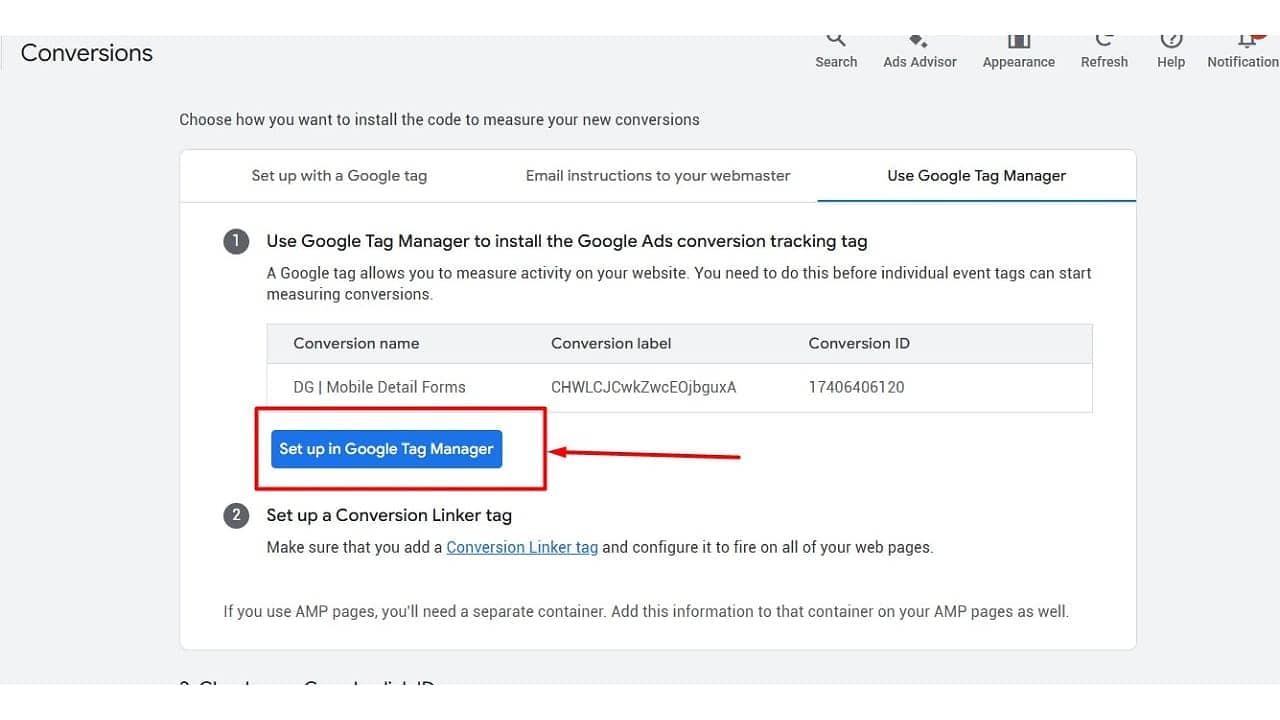
    Driving the news. During the conversion setup flow in Google Ads, there’s a new option being tested: “Set up in Google Tag Manager.” This was highlighted in screenshots shared by Google Ads Specialist, Natasha Kaurra. I must say, it looks very promising.

    This feature appears right alongside the existing installation methods and provides us with the ability to push conversion tracking setups directly into Google Tag Manager.

    What’s new. Instead of having to manually copy conversion IDs and labels between platforms—which can be quite tedious—we can now click a new button that opens a pre-filled tag setup inside GTM. I can already see this saving us so much time.

    This update means:

    ```json
{
  "alt": "Google Tag Manager setup screen for conversion tracking.",
  "caption": "Streamline your marketing efforts with Google Tag Manager's conversion tracking setup, guiding you step-by-step through the process.",
  "description": "This image shows a screen from Google Tag Manager, guiding users on setting up conversion tracking tags for Google Ads. The screen highlights options to install the tracking tag, a table with conversion details, and a button labeled 'Set up in Google Tag Manager'. Essential for optimizing website activity measurement and enhancing advertising effectiveness."
}
```
    • fewer manual steps,
    • less room for implementation errors,
    • and faster deployment across accounts.

    Why we care. As you know, conversion tracking is critical for measuring our campaign performance. This new update significantly reduces the chances of errors and speeds up the implementation between Google Ads and Google Tag Manager, ensuring our data is accurate from the start. Reliable data means we can optimize better and make more informed decisions.

    How it works. From the initial screenshots, it seems that users are prompted to select a GTM container, and a suggested tag configuration is then surfaced, ready for publishing. This could be a game-changer for agencies like ours managing multiple clients, working across several containers, or tackling complex tagging setups.

    The bottom line. Even though it’s just a small UI change, it’s set to have a huge impact! This new feature will make it much easier for us to get conversion tracking right from the get-go.

    First seen. This update was originally shared by PPC News Feed, who credited Google Ads Specialist Natasha Kaurra for spotting it. Don’t you just love how our community stays on top of things?


    Inspired by this post on Search Engine Land.


    crushpress.ai community screenshot
  • OpenAI Unveils Ads: A New Era of AI-Driven Interactions

    OpenAI Unveils Ads: A New Era of AI-Driven Interactions

    I’ve always been intrigued by how technology transforms the way we engage with the world. Recently, OpenAI has taken a significant step by introducing ads in select markets. This move opens up exciting opportunities for brands to connect with users through AI-driven experiences.

    OpenAI’s latest initiative to incorporate ads signals a strategic push into monetizing their platforms while keeping the premium tiers ad-free. This careful balancing act allows OpenAI to expand their ad reach without compromising the user experience of their paid plans.

    Driving the news. Ads are being rolled out for users on Free and Go plans in Australia, New Zealand, and Canada. This is a fascinating development for those of us observing how AI interfaces evolve.

    • These changes currently apply solely to lower-tier plans.
    • The Pro, Business, Enterprise, and Education tiers will continue to offer an ad-free experience.

    Why I care. As someone interested in AI and marketing, this presents an incredible opportunity to explore new channels for reaching users. The expansion into more markets means we can experiment and learn how ads can be effectively integrated into conversational interfaces, potentially reshaping the future of search and discovery.

    The big picture. Most AI platforms have traditionally steered clear of conventional advertising, relying more on subscription models and enterprise partnerships. But this move by OpenAI might just be the tipping point for change.

    It seems that OpenAI is:

    • investigating new revenue opportunities,
    • understanding the role of ads in conversational platforms,
    • and finding that sweet spot between monetization and a seamless user experience.

    Yes, but: It’s clear that OpenAI wants to maintain a distinction between their free and premium offerings, ensuring that an ad-free experience remains a coveted advantage.

    The bottom line: In cautious steps, OpenAI is exploring the world of ads within AI-driven products, starting with limited markets and tiers. This calculated approach allows them to understand the impact of advertising on their platforms.


    Inspired by this post on Search Engine Land.


    crushpress.ai community screenshot
  • U.S. Search Ads Rally to $114.2 Billion Amid AI Shift in 2025

    U.S. Search Ads Rally to $114.2 Billion Amid AI Shift in 2025

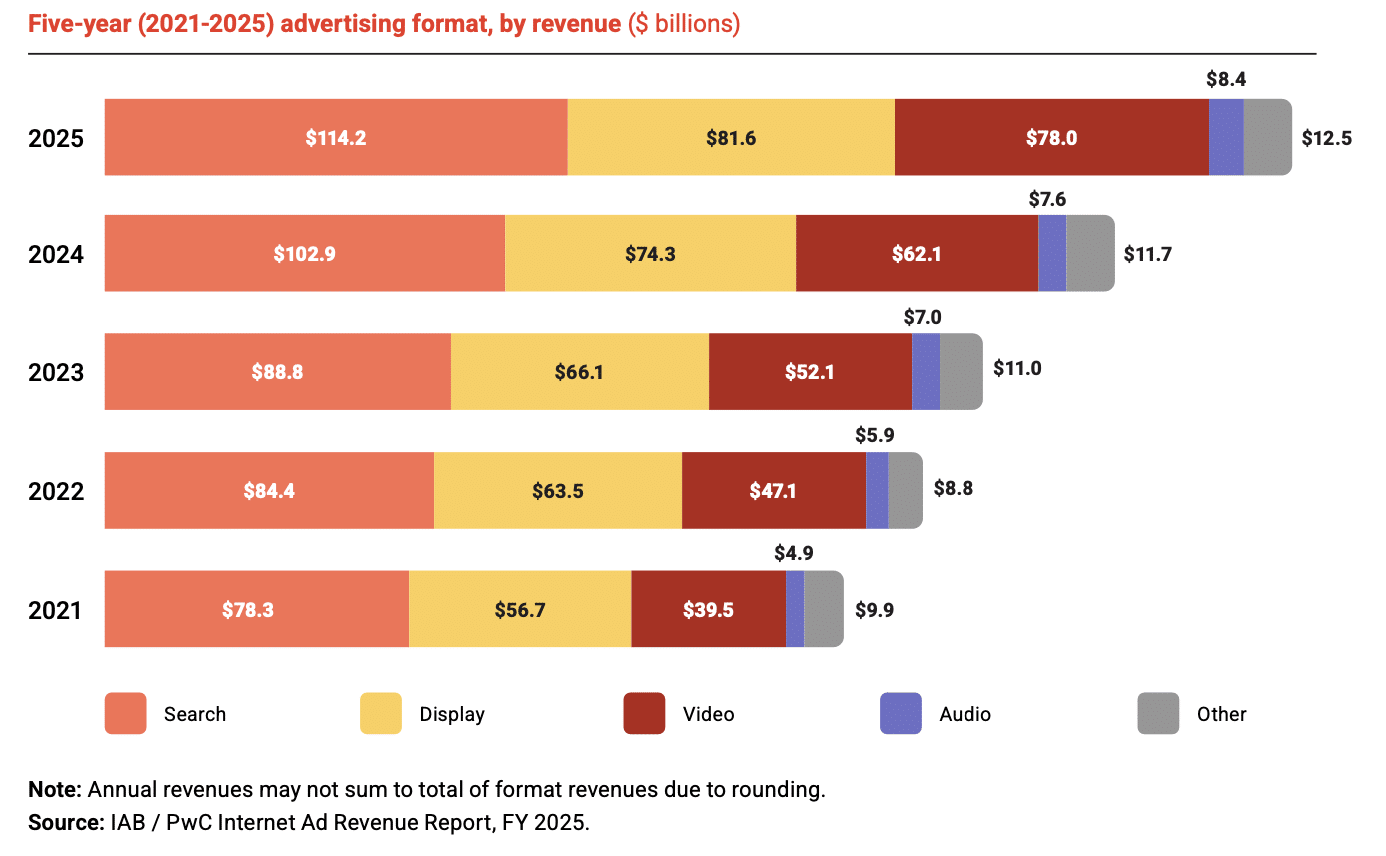
    Search advertising continued to lead the pack in 2025, although its growth took a slight dip as digital advertising landscape evolved. What really struck me was how U.S. search ad revenue soared to $114.2 billion.

    Despite being the largest ad channel, growth slowed down a bit, indicating a shift towards exciting AI-driven ad formats. It’s fascinating to see how advertisers are reallocating budgets towards these new trends.

    Throughout 2025, the digital advertising market in the U.S. climbed to a phenomenal $294.6 billion, even without major cyclical events like elections or the Olympics driving it. The final quarter alone brought in a whopping $85 billion.

    When I delve into the growth figures, video, social, and programmatic formats emerged as the fastest-growing sectors. Digital video revenue jumped by an impressive 25.4%, reaching $78 billion, while social platforms saw a 32.6% increase to $117.7 billion.

    The influence of AI is undeniably reshaping the advertising landscape. It’s not just a tool anymore; it’s transforming how we discover, purchase, and measure ads across various platforms.

    ```json
{
  "alt": "Bar chart showing advertising revenue by format from 2021 to 2025, divided into Search, Display, Video, Audio, and Other categories.",
  "caption": "Explore the rise of advertising revenue from 2021 to 2025 across platforms like Search, Display, and Video, as digital trends evolve. Which format dominates each year?",
  "description": "This bar chart visualizes projected advertising revenue by format from 2021 to 2025, in billions of dollars. The formats include Search, Display, Video, Audio, and Other, with Search consistently leading. The chart illustrates growth in digital advertising, with notable expansion in Search and Video categories. Data is sourced from the IAB / PwC Internet Ad Revenue Report for FY 2025, highlighting trends in marketing strategies and budget allocation."
}
```

    What truly captured my attention is the concentration of market control. The top 10 players now hold 84.1% of the market share, leveraging AI and large-scale data to assert dominance.

    For anyone involved in digital advertising, it’s crucial to adapt to these shifts. With search as a somewhat stable force, emerging formats like video and social offer more exciting opportunities backed by automation and AI.

    The insights come from the IAB/PwC’s comprehensive study of U.S. internet advertising revenue, giving us a look into the future of digital marketing.

    For more detailed findings, you can check out the full Internet Advertising Revenue Report for 2025.


    Inspired by this post on Search Engine Land.


    crushpress.ai community screenshot